
Kenya’s startup ecosystem is growing rapidly, with more businesses leveraging technology to streamline operations and scale efficiently. Software as a Service (SaaS) has emerged as a game-changer, enabling startups to access powerful tools without the need for expensive infrastructure.
For startups in Kenya, where capital is often limited, Software as a Service (SaaS) offers an affordable way to access enterprise-level software, improve efficiency, and enhance competitiveness. In this article, we explore how SaaS solutions are transforming Kenyan startups and why they are key to business growth.
1. What is SaaS?
SaaS, or Software as a Service, is a cloud-based software delivery model where applications are hosted remotely and accessed over the internet. Unlike traditional software that requires installation on individual devices, SaaS allows users to log in from anywhere, anytime.
Popular global SaaS solutions include Google Workspace, Microsoft 365, Slack, and Salesforce. However, Kenyan startups are also adopting local SaaS platforms tailored to their needs, such as:
- Pezesha – A fintech SaaS for lending and credit scoring.
- WorkPay – A payroll and HR management SaaS for businesses.
- Dukkapu – A POS and inventory management system for small businesses.
2. How SaaS Helps Kenyan Startups Scale Faster
a) Reduces Startup Costs
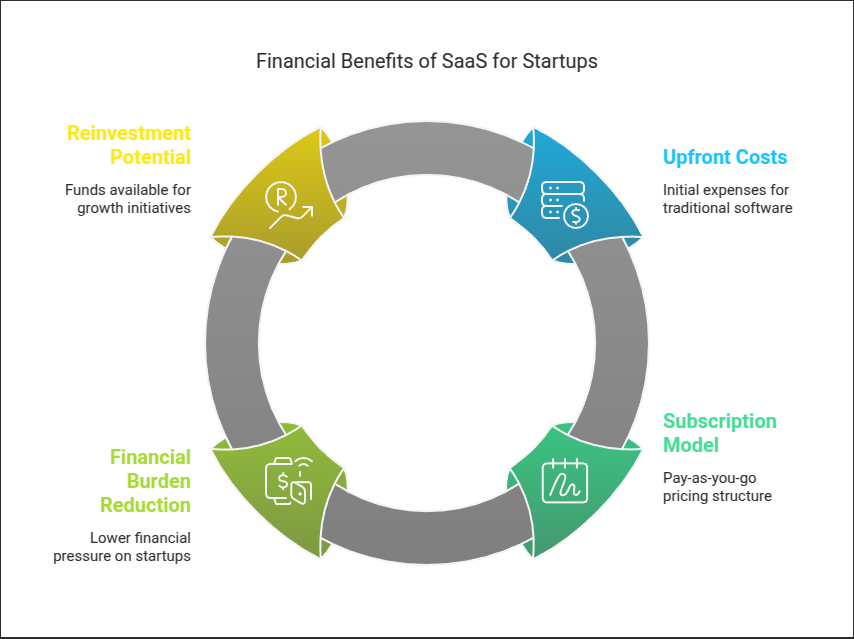
Traditional software requires huge upfront investments in licenses, servers, and maintenance. SaaS solutions operate on a subscription model, meaning startups only pay for what they use. This reduces the financial burden, allowing startups to reinvest funds into growth.
b) Enables Remote Work & Flexibility
With SaaS, teams can work from anywhere with an internet connection. Startups can hire remote employees or outsource work without being tied to a physical office. This is especially beneficial in Kenya, where remote work and digital collaboration are becoming the norm.
c) Easy Scalability
As a startup grows, its software needs evolve. SaaS solutions offer flexible pricing plans that allow businesses to scale up or down as required. Whether a startup needs more storage, users, or advanced features, SaaS platforms provide a cost-effective scaling solution.
d) Automates Business Processes
Many Kenyan startups struggle with manual tasks such as bookkeeping, HR management, and marketing. SaaS automates these tasks, saving time and allowing business owners to focus on innovation and customer engagement. Examples include:
- HR SaaS: Automates payroll and employee records.
- CRM SaaS: Helps manage customer relationships efficiently.
- Accounting SaaS: Tracks expenses and generates financial reports.
e) Improves Data Security & Compliance
Cybersecurity is a growing concern for Kenyan businesses. SaaS providers handle data encryption, backups, and compliance, reducing the risk of data breaches. Unlike locally stored data, which is vulnerable to hacking or hardware failure, cloud-based storage ensures business continuity.
3. Key SaaS Solutions for Kenyan Startups
a) Customer Relationship Management (CRM) Software
CRM software like HubSpot, Zoho CRM, and Pipedrive helps businesses track customer interactions, automate follow-ups, and improve sales conversions. Kenyan startups in e-commerce and service industries benefit greatly from efficient customer management.
b) Accounting & Finance Software
Tools like QuickBooks Online, Xero, and Zoho Books simplify financial management, invoicing, and tax reporting. Startups can generate reports in real time, ensuring compliance with Kenyan tax regulations.
c) Marketing Automation Software
SaaS marketing tools like Mailchimp, Sendinblue, and Hootsuite enable startups to run email campaigns, schedule social media posts, and analyze engagement metrics—all without hiring a large marketing team.
d) Human Resource Management Software (HRMS)
Managing employees is easier with SaaS HR tools like BambooHR, WorkPay, and Deel, which handle payroll, performance tracking, and leave management. Kenyan startups can manage their workforce without hiring full-time HR personnel.
e) E-commerce SaaS Solutions
Platforms like Shopify, WooCommerce, and Dukkapu help Kenyan startups launch online stores without technical expertise. These platforms offer payment integration, inventory tracking, and marketing tools, making it easier to sell online.
4. Challenges of Adopting SaaS in Kenya
Despite the benefits, some Kenyan startups hesitate to adopt SaaS due to:
a) Internet Dependence
- Most SaaS solutions require a stable internet connection.
- Some areas in Kenya still struggle with unreliable internet access, making it difficult to use cloud-based software effectively.
b) Data Privacy Concerns
- Many businesses worry about storing sensitive information on foreign servers.
- Choosing a trusted SaaS provider with strong security policies is essential.
c) Subscription Costs Over Time
- While SaaS eliminates upfront costs, monthly or annual fees can add up.
- Startups must carefully evaluate the ROI of a SaaS tool before subscribing.
d) Integration Challenges
- Some SaaS tools don’t integrate seamlessly with existing business systems.
- It’s important to choose software that supports API integrations or consult with an IT expert for custom solutions.
5. Future of SaaS for Kenyan Startups
The SaaS market in Kenya is growing rapidly, and startups that embrace cloud-based tools will have a competitive edge. Some key trends shaping the future of Software as a Service (SaaS) in Kenya include:
a) Increased Adoption of AI-Powered SaaS
Startups are integrating Artificial Intelligence (AI) into SaaS solutions for better automation, predictive analytics, and chatbots. AI-driven SaaS can help businesses provide personalized customer experiences and improve decision-making.
b) Rise of Local SaaS Solutions
More Kenyan companies are developing locally relevant SaaS platforms that cater to the specific needs of African businesses. This trend is expected to reduce reliance on foreign providers and offer more cost-effective options.
c) Mobile-First SaaS Solutions
With high mobile penetration in Kenya, SaaS platforms are optimizing for mobile use, allowing entrepreneurs to run businesses from smartphones.
d) More Affordable SaaS Pricing Models
As competition increases, SaaS providers will offer more flexible and affordable pricing plans, making enterprise software accessible even to small startups.
Conclusion
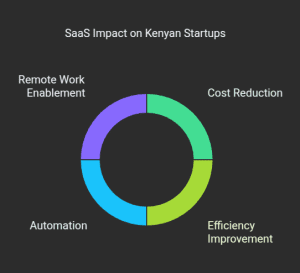
Software as a Sevice (SaaS) is transforming how Kenyan startups operate, scale, and compete in an evolving business landscape. From reducing costs and improving efficiency to enabling automation and remote work, SaaS offers the tools that startups need to grow rapidly and succeed.
For startups looking to leverage SaaS for growth, choosing the right software solutions is key. At Techrahisi, we help businesses find and integrate the best SaaS platforms to drive efficiency and scalability.
📞 Call us: +254726572527
📧 Email: developers@techrahisi.co.ke
🌍 Visit: techrahisi.co.ke