

Your homepage is the digital front door of your business. It’s the first impression potential customers get, and it can determine whether they stay and explore or leave within seconds. A strong homepage design is essential for engaging visitors, building trust, and driving conversions.
In today’s competitive online space, a poorly designed homepage can cost your business leads, sales, and credibility. So, what makes a homepage effective? This article explores why a well-designed homepage is critical for business success and how you can create one that stands out.
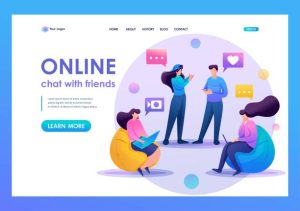
1. First Impressions Matter: The 5-Second Rule
Visitors decide within 5 seconds whether to stay on your website or leave. This means your homepage needs to:
- Load quickly – Slow websites drive visitors away.
- Have a clean, modern layout – Cluttered designs overwhelm users.
- Clearly communicate your brand’s purpose – Visitors should instantly understand what your business does.
💡 Example: A law firm’s homepage should immediately show professionalism, while an e-commerce site should highlight best-selling products and offers.
2. Building Trust and Credibility
A strog homepage design instills confidence in your brand. If your website looks outdated or unprofessional, users may doubt your credibility.
Ways to Build Trust Through Your Homepage:
- Use high-quality visuals – Blurry images make your business look unprofessional.
- Display customer testimonials – Positive reviews build credibility.
- Showcase trust badges – Logos of partnered brands, certifications, and security badges reassure visitors.
- Ensure mobile responsiveness – Over 80% of Kenyans browse on mobile; your homepage must be mobile-friendly.
💡 Example: A financial services website with a clean layout, real client reviews, and security certifications will gain trust faster.
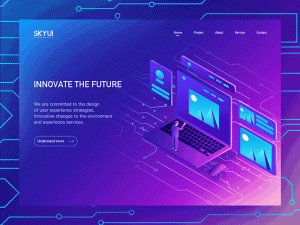
3. Enhancing User Experience (UX) and Navigation
A strong homepage makes navigation intuitive and user-friendly. Visitors should easily find what they are looking for without frustration.
Best Practices for a User-Friendly Homepage:
- Keep navigation simple – Use clear labels like “About Us,” “Services,” and “Contact.”
- Use a sticky menu – Ensures users can access navigation anytime while scrolling.
- Highlight important sections – A search bar, contact button, and key services should be prominent.
💡 Example: An online electronics store should feature a search bar and easy-to-navigate categories for quick product discovery.
4. Driving Conversions With a Clear Call-to-Action (CTA)
Your homepage should guide visitors toward an action—whether it’s making a purchase, booking a consultation, or signing up for a newsletter.
Effective CTA Strategies:
- Use strong action words – “Get Started,” “Claim Your Discount,” “Book a Free Consultation.”
- Make CTAs stand out – Use contrasting colors and clear fonts.
- Place CTAs strategically – Above the fold (visible without scrolling), at the end of sections, and near key information.
💡 Example: A real estate website can have a CTA like “Schedule a Viewing Today” placed prominently.
5. Optimizing for SEO and Search Visibility
A strong homepage design is SEO-friendly, making it easier for customers to find your business online.
Key SEO Strategies for a Homepage:
- Use relevant keywords – Include industry-specific keywords naturally in your headings and content.
- Optimize meta descriptions – These appear on Google search results and should be compelling.
- Improve page speed – Compress images and minimize unnecessary scripts for fast loading.
- Use internal linking – Guide visitors to key pages like “Services” or “Portfolio.”
💡 Example: A tech company in Kenya should optimize its homepage with phrases like “best web design company in Kenya” to attract local traffic.
6. Mobile Optimization: Reaching More Users
More than 80% of internet traffic in Kenya comes from mobile devices. If your homepage isn’t mobile-friendly, you risk losing a large chunk of your audience.
Mobile Optimization Best Practices:
- Ensure responsive design – The site should adapt to different screen sizes.
- Use readable fonts – Avoid small, hard-to-read text.
- Keep buttons touch-friendly – Users should easily tap CTAs without zooming.
💡 Example: A restaurant website should have an easy-to-tap “Order Now” button for mobile users.

7. Showcasing Your Brand Personality
Your homepage is a representation of your brand. It should reflect your identity, values, and uniqueness.
How to Make Your Homepage More Engaging:
- Use brand colors and fonts – Maintain consistency with your logo and marketing materials.
- Include an engaging hero section – This is the first thing users see; make it impactful.
- Tell a story – A brief “About Us” section helps visitors connect with your business.
💡 Example: A fitness brand should use bold colors, action-driven images, and energetic copy to reflect its dynamic nature.
8. The Power of Visual Content: Images & Videos
A homepage filled with only text can feel overwhelming. Visual content makes your page more engaging and helps communicate messages faster.
Best Practices for Using Visuals:
- Use high-quality images – Avoid generic stock photos.
- Incorporate explainer videos – A 30-second video can explain your services better than a paragraph.
- Use animations strategically – Subtle effects can make your page feel modern.
💡 Example: A software company can use an animated demo showcasing how their product works.
Conclusion
A well-designed homepage is critical for business success. It influences first impressions, trust, user experience, conversions, and SEO rankings.
By optimizing your homepage with clear navigation, compelling CTAs, mobile-friendly design, and engaging visuals, you can attract more visitors and convert them into loyal customers.
At Techrahisi, we create professional, high-converting websites tailored to your business needs. Let’s build a homepage that drives success for your brand!
📞 Call us: +254726572527
📧 Email: developers@techrahisi.co.ke
🌍 Visit: techrahisi.co.ke