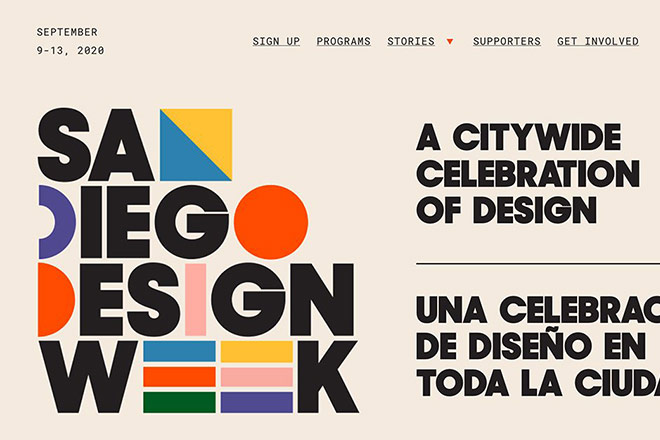
Typography is more than just selecting fonts—it plays a vital role in shaping how users interact with a website. From readability to branding, typography in modern website design influences user experience, engagement, and even SEO performance.
For Kenyan businesses, choosing the right typography can set them apart from competitors and create a lasting impression. But how do fonts, spacing, and styling affect web design? And how can businesses leverage typography to improve their online presence?
In this guide, we’ll explore:
- Why typography is essential in web design
- How different typography elements impact user experience
- Best practices for using typography effectively on websites
1. Why Typography Matters in Modern Website Design
Typography is one of the most powerful visual elements on a website. It impacts everything from how users perceive your brand to how long they stay on your site.
1.1 Enhances Readability and User Experience
- Clear and well-structured typography makes content easy to read and digest.
- Proper font size, line height, and spacing improve legibility across different devices.
- Websites with poor typography can frustrate users, leading to higher bounce rates.
1.2 Strengthens Brand Identity
- Typography helps establish a unique brand personality.
- Many top brands have signature fonts (e.g., Google’s Sans font or Apple’s sleek typography).
- Choosing the right font style aligns your website’s visual identity with your brand values.
1.3 Improves Website Accessibility
- Using accessible fonts ensures readability for users with visual impairments.
- High-contrast text and scalable fonts make websites more inclusive.
- Many Kenyan businesses overlook accessibility, but it’s crucial for reaching a wider audience.
1.4 Boosts SEO Performance
- Google values websites with good readability, which influences search rankings.
- Proper typography improves dwell time (how long users stay on a page).
- Well-structured headings (H1, H2, H3) help search engines understand website content.
2. Key Elements of Typography in Web Design
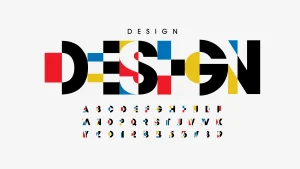
Understanding typography in web design involves more than just picking a font. Several key elements determine how well typography enhances user experience.
2.1 Font Selection
- Fonts can be serif (classic and formal) or sans-serif (modern and clean).
- Some popular web fonts include:
- Sans-serif fonts: Roboto, Open Sans, Lato, Montserrat
- Serif fonts: Times New Roman, Playfair Display, Georgia
- Kenyan businesses should choose legible and professional fonts for branding.
2.2 Font Size and Hierarchy
- Text should be large enough for comfortable reading (16px or more for body text).
- Proper hierarchy ensures users can scan content quickly:
- H1 (Main Title) – Largest font, grabs attention.
- H2 & H3 (Subheadings) – Organizes content.
- Body Text – Should be easy to read on mobile and desktop.
2.3 Line Spacing and Letter Spacing
- Line height should be 1.5 times the font size to improve readability.
- Letter spacing (tracking) should ensure characters are not too cramped or too spaced out.
- Proper spacing prevents visual clutter and enhances the reading experience.
2.4 Contrast and Color Choices
- Text color should contrast with the background for maximum readability.
- Example: Black text on a white background is the easiest to read.
- Brands can use color psychology in typography to influence emotions:
- Blue – Trust and reliability (good for corporate websites).
- Green – Growth and sustainability (great for eco-friendly brands).
- Red – Energy and urgency (ideal for sales and promotions).
2.5 Responsive Typography
- Modern websites must ensure typography adapts to different screen sizes.
- Fonts should be scalable and readable on mobile devices.
- CSS techniques like relative units (em, rem, vw, vh) allow text to adjust dynamically.
3. Best Practices for Using Typography in Web Design
For businesses looking to create a modern, visually appealing website, here are some typography best practices:
3.1 Limit the Number of Fonts
- Stick to two or three fonts to maintain a consistent brand identity.
- Using too many fonts can make a website look unprofessional and cluttered.
3.2 Use Google Fonts for Faster Load Times
- Google Fonts is a free service with optimized web-safe fonts.
- Popular fonts like Roboto, Open Sans, and Lato load quickly and work well on all devices.
3.3 Optimize Typography for Mobile Users
- More than 70% of Kenyan internet users browse on mobile.
- Ensure font sizes, line spacing, and contrast are optimized for small screens.
3.4 Utilize Bold and Italics for Emphasis
- Bold text draws attention to important keywords and phrases.
- Italics are useful for adding emphasis without making text too overwhelming.
3.5 Test Readability on Different Devices
- Use tools like Google Mobile-Friendly Test to check text readability.
- Test on multiple devices (desktop, tablet, mobile) before launching a website.
4. The Future of Typography in Web Design
Typography trends continue to evolve, with modern web design trends emphasizing:
- Variable Fonts – More flexibility in weight, width, and size adjustments.
- Minimalist Typography – Clean, simple fonts with generous white space.
- Custom Brand Fonts – Unique typefaces designed exclusively for a brand.
- Motion Typography – Animated text for interactive user experiences.
For Kenyan businesses, embracing typography in modern website design will enhance brand identity and user engagement.
Final Thoughts: Make Typography Work for Your Website
Typography is a powerful design element that can improve readability, branding, and SEO. Choosing the right fonts, sizes, and colors can enhance user experience and keep visitors engaged on your site.
If you’re looking to create a visually stunning and high-performing website, Techrahisi specializes in web design solutions tailored for Kenyan businesses.
📞 Call us: +254726572527
📧 Email: developers@techrahisi.co.ke
🌍 Visit: techrahisi.co.ke