

The retail industry in Kenya is rapidly evolving, with digital transactions becoming the new standard. More businesses are adopting mobile wallet apps to provide faster, safer, and more convenient payment options for their customers. With mobile money transactions surpassing Ksh 7.9 trillion annually, it’s clear that cashless payments are the future. For Kenyan retailers, integrating mobile wallet apps is no longer optional—it’s a necessity.
In this guide, we’ll explore why mobile wallet apps are essential for Kenyan retailers, how they enhance customer experience, and how you can integrate them into your business.
1. The Rise of Mobile Wallet Apps in Kenya
Kenya is a global leader in mobile money adoption, with services like M-Pesa, Airtel Money, and T-Kash dominating the market. Over 80% of Kenyans use mobile money for transactions, making mobile wallets the preferred payment method for many customers.
The shift towards digital payments is driven by several factors:
- Convenience – Customers can pay instantly without carrying cash.
- Security – Reduces the risk of theft or fraud.
- Faster transactions – Payments are processed within seconds.
- Growing smartphone penetration – More people have access to mobile payment solutions.
For retailers, embracing mobile wallet apps means staying relevant and competitive in an increasingly digital economy.
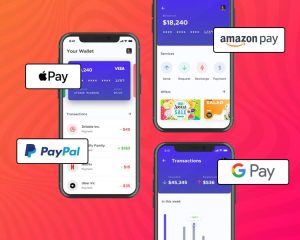
2. Key Benefits of Mobile Wallet Apps for Kenyan Retailers
1. Faster and Seamless Transactions
Mobile wallet apps eliminate the delays associated with cash payments or traditional banking. Customers can scan a QR code, enter a PIN, or tap to pay within seconds.
For example, supermarkets like Naivas and Quickmart have integrated M-Pesa Till and PayBill numbers, allowing customers to pay effortlessly at checkout.
2. Increased Sales and Customer Satisfaction
Customers prefer businesses that offer convenient payment options. By accepting mobile wallet payments, retailers can:
- Serve more customers efficiently during peak hours.
- Encourage impulse buying since digital payments are hassle-free.
- Offer cashless delivery payments for online or remote orders.
A fashion boutique in Nairobi, for instance, can increase sales by allowing customers to pay via mobile wallets instead of relying solely on cash.
3. Enhanced Security and Fraud Prevention
Handling large amounts of cash exposes businesses to theft and fraud. Mobile wallets:
- Reduce cash-related risks by keeping digital records of transactions.
- Offer encrypted, PIN-protected payments for security.
- Enable tracking of all transactions, preventing unauthorized access.
For instance, small electronics shops in Kenya can minimize cash-related losses by shifting to mobile-based transactions.
4. Cost Savings on Transaction Fees
Many mobile wallet providers charge lower transaction fees compared to credit card processing or bank transfers. Retailers can:
- Avoid high banking fees for deposits and withdrawals.
- Enjoy discounted merchant fees from mobile money operators.
- Reduce operational costs related to cash handling and storage.
For example, a restaurant using Lipa na M-Pesa can save on bank deposit fees while still offering a cashless payment option.
5. Improved Record-Keeping and Financial Management
With mobile wallets, retailers get automatic digital records of all transactions. This makes it easier to:
- Track daily sales without manual bookkeeping.
- Generate instant reports for better financial planning.
- Reconcile payments faster, reducing accounting errors.
A hardware store can easily track mobile payments, ensuring accurate sales reports and reduced accounting mistakes.
6. Integration with E-Commerce and Online Stores
Many Kenyan retailers are expanding online, and mobile wallets seamlessly integrate with e-commerce platforms. Benefits include:
- Faster online checkouts – Customers can pay instantly.
- Secure remote payments – Ideal for businesses with delivery services.
- Better shopping experience – Enhances trust and convenience.
For instance, a Kenyan online fashion store can integrate mobile wallet payments to enable customers to pay securely from their phones.
7. Supports Loyalty Programs and Customer Retention
Many mobile wallets allow businesses to offer:
- Cashback rewards for frequent customers.
- Discount coupons for mobile wallet users.
- Loyalty points redeemable on future purchases.
For example, a pharmacy in Nairobi can encourage repeat customers by offering mobile wallet discounts on prescription refills.
8. Better Compliance with Digital Payment Trends
With the Kenyan government pushing for a cashless economy, retailers that adopt mobile wallet payments:
- Comply with digital finance regulations.
- Reduce tax compliance challenges through digital transaction records.
- Future-proof their businesses against shifting payment trends.
Businesses that fail to adapt risk losing customers to competitors that offer convenient digital payments.
3. How to Integrate Mobile Wallet Payments Into Your Retail Business
Step 1: Choose the Right Mobile Wallet Providers
The most popular mobile wallet providers in Kenya include:
- M-Pesa (Lipa na M-Pesa, Pochi la Biashara, PayBill, Till Number)
- Airtel Money
- T-Kash
- Pesapal, Flutterwave, and DPO Pay for multi-payment integration
Step 2: Set Up Merchant Accounts
To start accepting payments, retailers must register for a merchant account with their preferred provider. This involves:
- Providing business registration details.
- Applying for an M-Pesa PayBill or Till Number.
- Setting up an online payment gateway (for e-commerce stores).
Step 3: Integrate Mobile Wallets with POS and Online Stores
For physical shops, integrate mobile payments with:
- Point-of-Sale (POS) systems that accept digital payments.
- QR codes at checkout counters for instant transactions.
- Mobile money apps linked to business bank accounts.
For online stores, add mobile wallet payment options to:
- E-commerce websites (WooCommerce, Shopify, Magento).
- Mobile apps for retail businesses.
Step 4: Train Staff and Educate Customers
Ensure employees know how to:
- Process mobile wallet payments efficiently.
- Help customers navigate payment options.
- Resolve transaction issues (e.g., failed payments).
Educate customers by:
- Displaying mobile wallet instructions in-store.
- Offering small incentives for mobile payments.
- Promoting digital payments on social media.
Step 5: Monitor and Optimize Mobile Payments
Track mobile wallet transactions regularly to:
- Analyze customer payment preferences.
- Identify peak sales periods.
- Adjust marketing strategies to boost digital transactions.
Retailers can use business analytics tools to gain insights into mobile wallet usage trends.
4. Final Thoughts: Mobile Wallets Are the Future of Retail in Kenya
With cashless transactions becoming the norm, integrating mobile wallet apps into your retail business is no longer a choice—it’s a necessity. Mobile wallets offer:
Faster, safer, and more convenient transactions.
Higher sales and better customer experience.
Improved financial management and security.
Seamless e-commerce and online payment integration.
By adopting mobile wallet payments, Kenyan retailers can stay ahead of the competition and thrive in an increasingly digital economy.
Want to integrate mobile wallet payments into your retail business? TechRahisi can help you set up secure, efficient payment solutions.
📞 Call us: +254726572527
📧 Email: developers@techrahisi.co.ke
🌍 Visit: techrahisi.co.ke